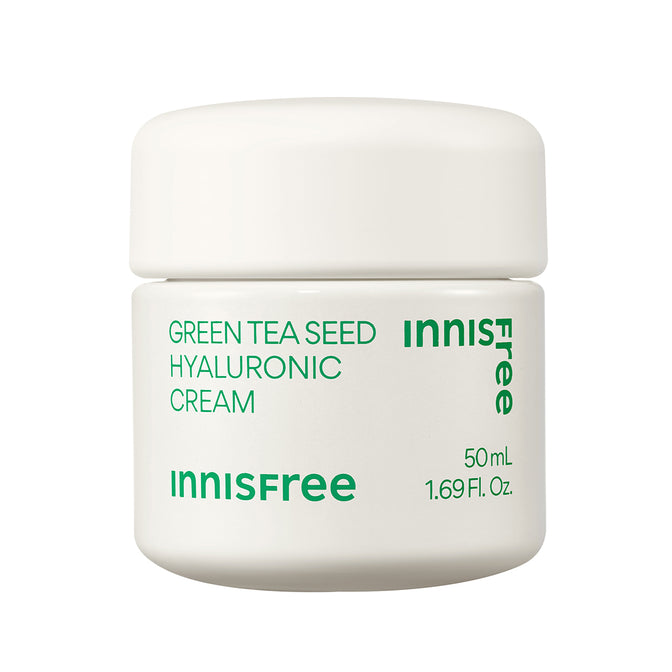
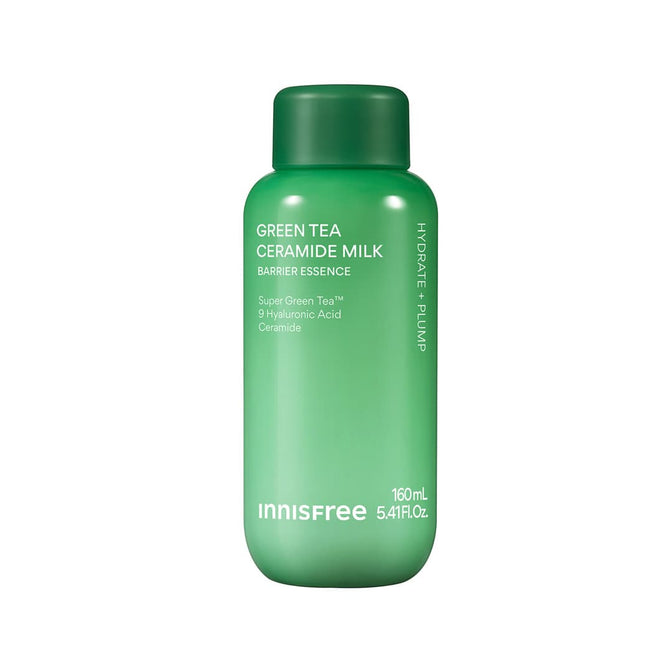
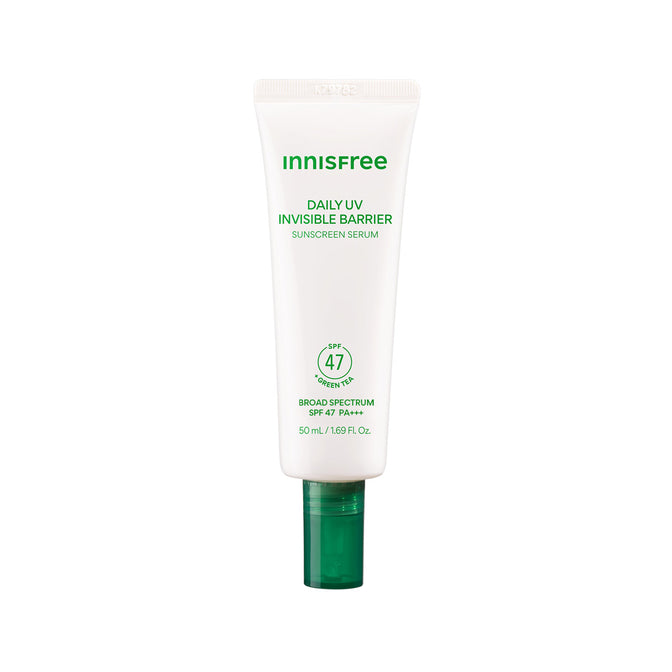
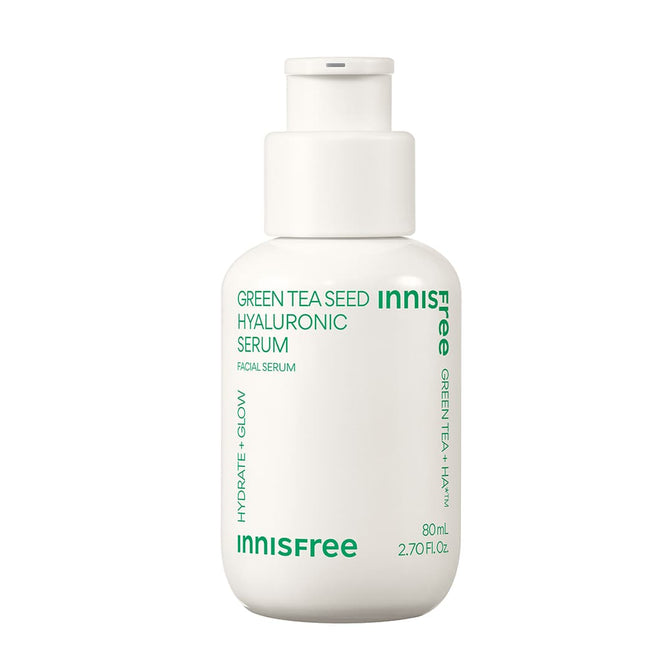
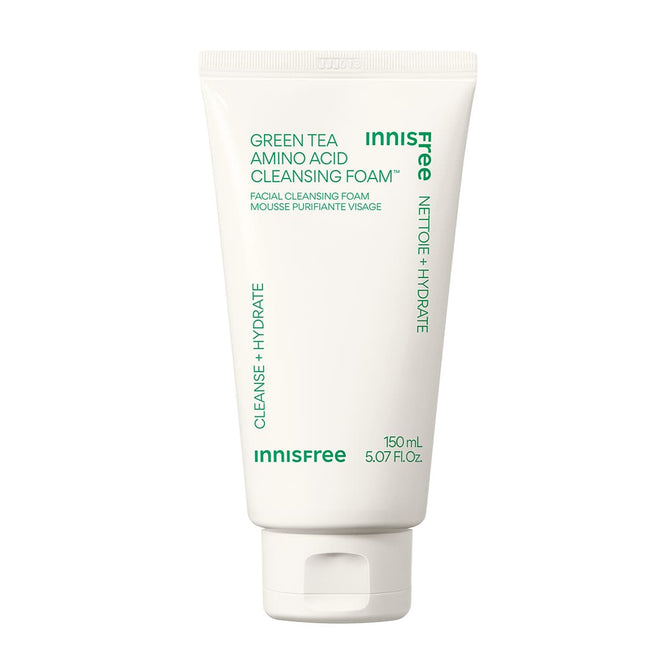
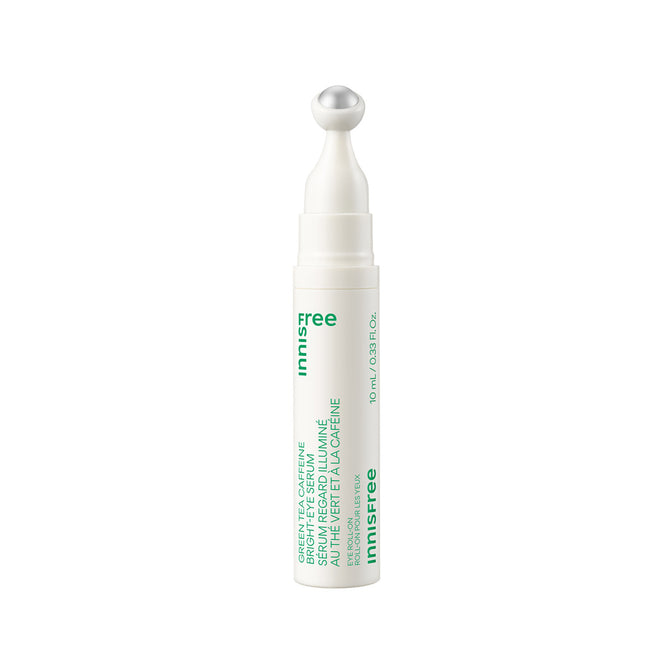
For more than 25 years, one plant has remained at the heart of almost everything we do at innisfree: Green Tea. Grown in the rolling fields of Korea's beautiful Jeju Island and nourished by its volcanic soil, this one, rich, powerful plant is the foundation of our most-loved products.
But not all Green Tea is equally powerful. At least, not for the skin. In fact, growing Green Tea that can nourish the skin requires years of cultivation, extensive scientific expertise, and a process of continual refinement. Only then can you bring the best out of the Green Tea plant, reaching the right balance of antioxidants and active compounds.
And that’s exactly what we’ve done. So, what does it take to cultivate the best Green Tea for skincare science?
The Green Tea Plant Requires Patience + Sensitivity
To land on the right kind of Green Tea, our scientists first had to gain a comprehensive understanding of the plant itself.
Our researchers spent years studying even the smallest variations among Green Tea varieties and analyzed their chemical compositions to determine which offered the most beneficial properties for skin.

Finally, after growing and screening hundreds of candidate varieties, and evaluating more than 3,300 plant samples, they landed on innisfree’s proprietary Green Tea plant. The whole process took nearly two decades.
This variety of Green Tea is special in a number of ways. Compared to other Green Tea plants, it’s relatively hardy, has stable and consistent growth every year, and reliably yields a good volume of high-quality leaves. But most importantly, it was developed to have higher levels of amino acids than other Green Tea varieties. These amino acids, like theanine, are important elements that contribute to Green Tea’s ability to moisturize and hydrate the skin.
The Secrets to Quality Green Tea
So, what is the secret to growing the best Green Tea for skin nourishment? First, you need a comprehensive understanding of how the plant reacts to its environment. Green Tea is a finicky plant. It’s highly sensitive to changes to its growing environment—factors like sunlight level, temperature, humidity, soil conditions, and harvest timing can significantly influence the chemical composition held within Green Tea leaves.
Take shade, for example. When Green Tea plants are grown under shaded conditions, the plant’s chlorophyll production increases, resulting in a deeper green color, and amino acids accumulate in higher concentrations. Premium matcha and other high-value teas often use specialized shading techniques before harvest. Many other growing and harvesting conditions can notably change the composition of amino acids, antioxidants, chlorophyll, and other beneficial compounds found in Green Tea leaves.

Our researchers also need to understand how the Green Tea plant interacts with its habitat and the organisms around it.
No plant grows in isolation, so our Green Tea growers must strike a balance between encouraging beneficial insects in the fields versus managing pests, to manage the environment in the most eco-conscious way possible. They do this through natural pest control methods, like the use of species-specific pheromone traps that target them.
Drawing the Best Out of an Incredible Plant
Seasonality is also a huge factor that can influence Green Tea’s chemical profile, and the best time of year to harvest Green Tea is typically spring. Leaves harvested at this time are called “the first flush,” and they are prized for their tenderness and their high levels of amino acids. Leaves harvested at this time are particularly valued for their moisture-rich properties and are often used in hydrating skincare formulations.
However, we still might harvest Green Tea during other parts of the year, depending on our desired ingredient profile. If we want ingredients focused on antioxidant properties, we might opt to harvest tea leaves in the summer. Summer-harvested Green Tea leaves contain relatively higher levels of antioxidant and anti-inflammatory compounds like flavonoids, which can provide soothing benefits to the skin.
Getting the very best results out of Green Tea is no easy feat. Even with an exceptional variety, so many other factors are required to ensure that the plants that grow are healthy and rich in nutrients. It’s a wonder how our growers and researchers are consistently able to produce plants with such rich profiles of amino acids and antioxidants. That track record is a testament to the decades we have spent, honing our intimate and holistic relationship with this remarkable Green Tea plant.